
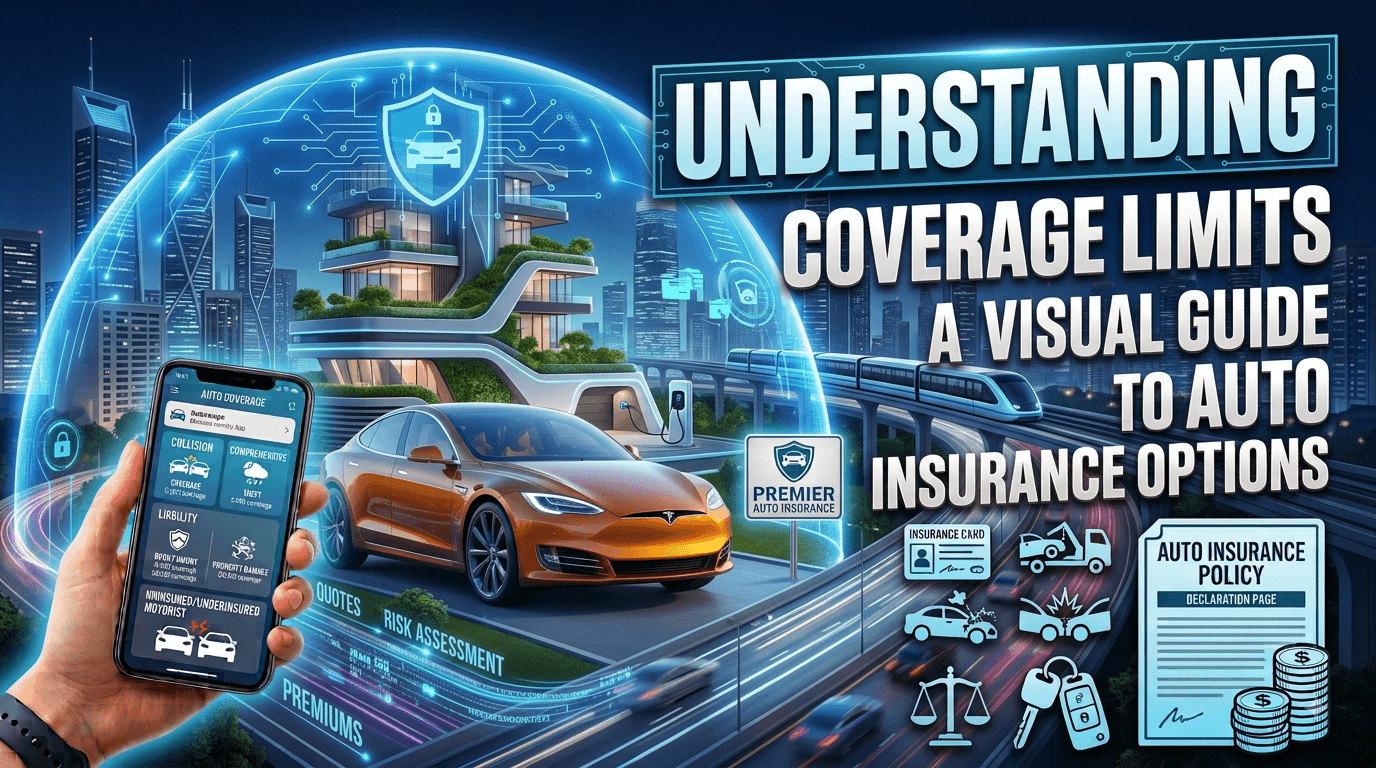
Whether you’re buying your first vehicle or reviewing an existing policy, understanding auto insurance is an important part of being a responsible driver.
Here are some of the most common types of auto insurance coverage.
Liability Coverage
Liability coverage can help pay for injuries or property damage you cause to another person in an accident, subject to the limits of your policy.
Collision Coverage
Collision coverage can help pay for damage to your vehicle resulting from a collision with another vehicle or object. A deductible generally applies.
Comprehensive Coverage
Comprehensive coverage can help protect your vehicle against certain non-collision events, such as theft, vandalism, falling objects, or certain weather-related damage.
Uninsured and Underinsured Motorist Coverage
Unfortunately, not every driver carries enough insurance. Uninsured and underinsured motorist coverage may help protect you if you’re involved in an accident with a driver who has no insurance or insufficient coverage.
Medical Payments or Personal Injury Protection
Depending on your location and policy, medical payments or personal injury protection may help cover certain medical expenses resulting from an accident.
Why Your Deductible Matters
Your deductible is the amount you generally pay toward a covered claim before your insurance coverage contributes. A higher deductible can sometimes mean a lower premium, but it also means you’ll have more out-of-pocket costs when filing a claim.
How to Choose the Right Coverage
The right coverage depends on several factors, including the value of your vehicle, how frequently you drive, your financial situation, and the risks you want to protect against.
It’s important to look beyond the price of the premium and consider the protection you’re actually receiving.
Final Thoughts
Auto insurance doesn’t have to be confusing. Understanding your coverage options and reviewing your policy regularly can help you make informed decisions and avoid unnecessary gaps in protection.